

My work in this area began with the development of a novel measure of sleep health literacy and has continued through application in the Social Ecological Model of Pediatric Sleep Health.

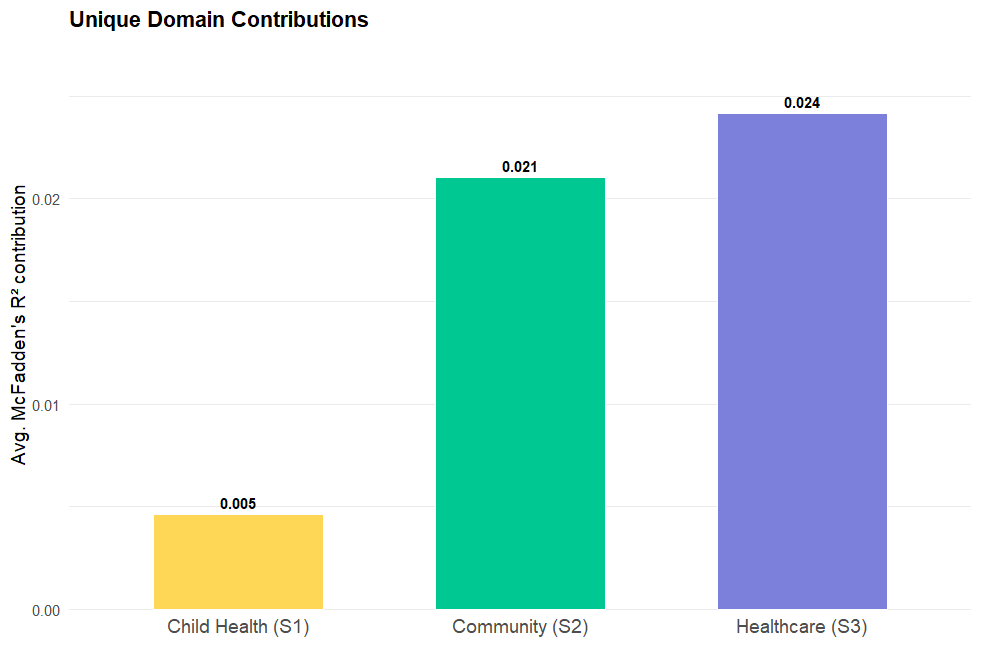
This novel social ecological model positions the medical system as a key factor influencing pediatric sleep health. This framework incorporates individual, community, and structural factors, across both the child and pediatrician contexts.

I investigate the role of sleep disruption as a transdiagnostic risk factor in adolescents at clinical high risk for psychosis. My work in this area aims to clarify how aspects of sleep health contributes to emotional and cognitive functioning in at-risk youth, with implications for early intervention.
Through both research and clinical work implementing Imagery Rehearsal Therapy (IRT) with youth, I have become increasingly focused on how caregiver responses, cultural beliefs, and early experiences with distressing dreams influence the persistence of nightmares across the lifespan.
Understanding variance in measure performance across populations is an important issue for health equity and scientific rigor. Currently, I am examining how commonly used sleep measures align with the multidimensional framework of sleep health captured by the RU-SATED Scale.
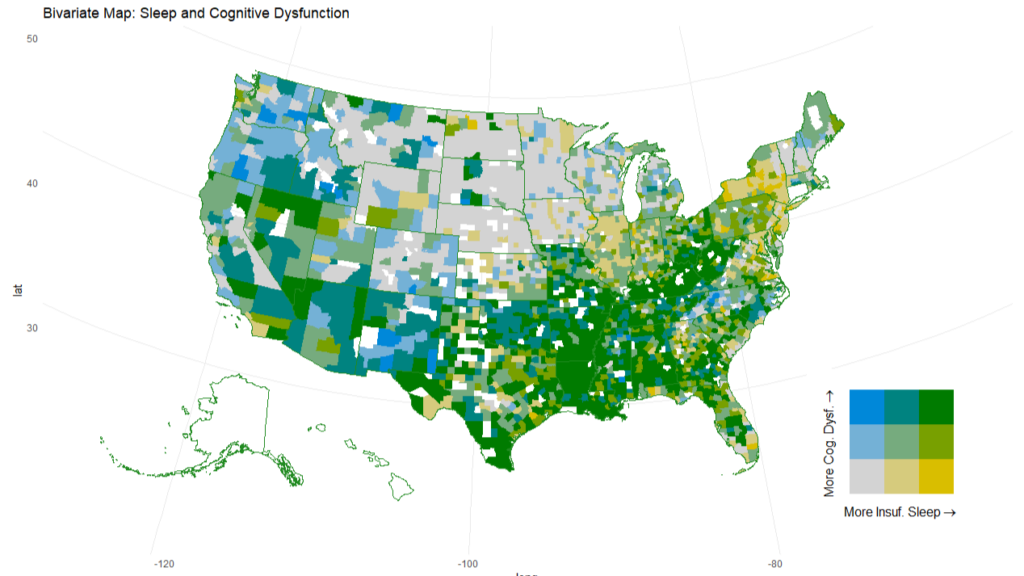
Environmental exposures (e.g., air pollution, noise, and proximity to hazardous waste sites) affect sleep. I use geospatial and census tract data to examine how these risks intersect.