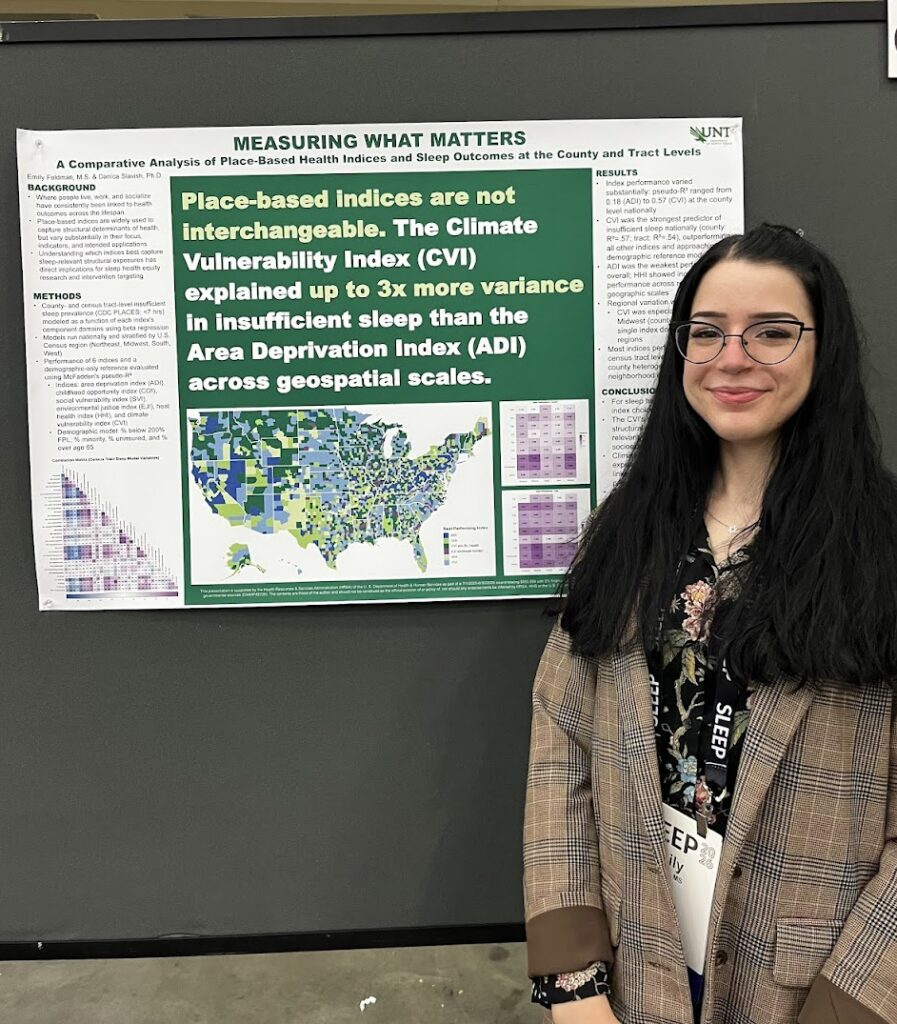
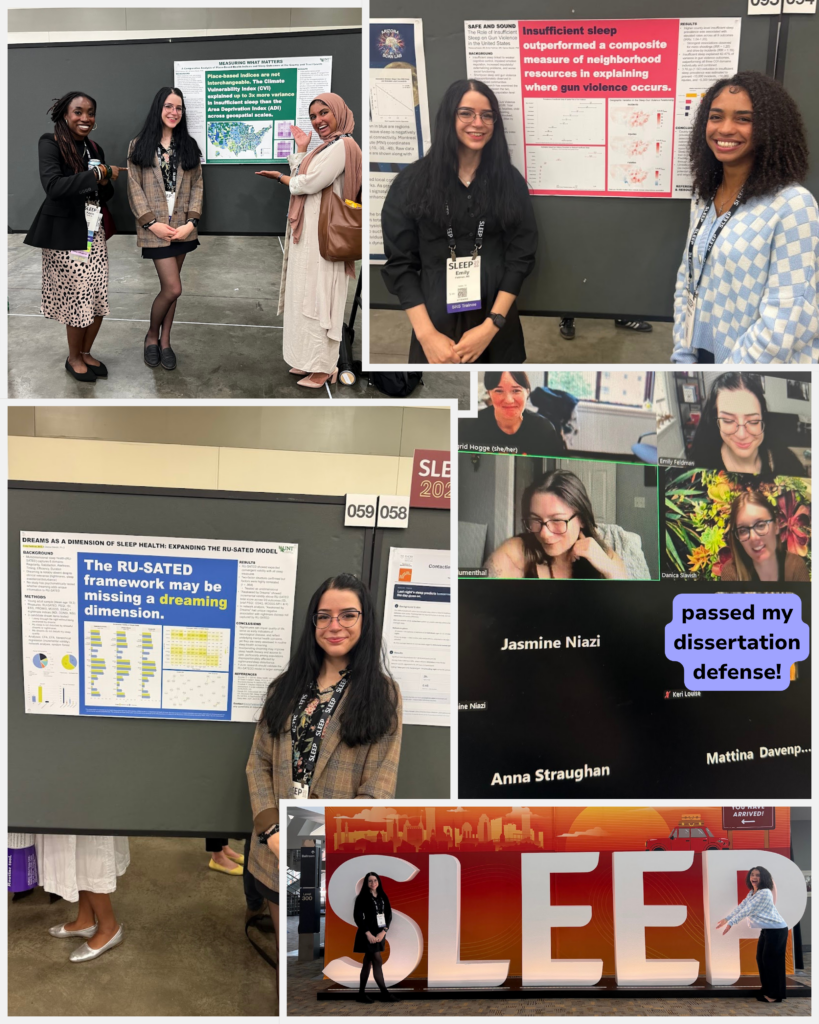
I am a Clinical Psychology PhD Candidate, researcher, and trainee focused on pediatric sleep, health equity, and systems-level influences on wellbeing. My work sits at the intersection of pediatric psychology, public health, and feminist methodology.
I did not grow up knowing what psychologists were. I had never heard of public health, let alone conceptualized research as anything beyond test tubes and beakers.
When starting college, I intended to become a child therapist. It was not until the 3rd year of undergrad that my advisor suggested I join a lab to strengthen my grad school application. Almost immediately after joining, I decided to pursue a PhD.
I considered applied psychology programs but ultimately decided I valued clinically informed research. Entering clinical training, I had significant worries about my ability to provide effective care. It genuinely surprised me how much I enjoy the process of clinical work. Further, I have found that direct patient experiences contribute to a rich cycle of informed research questions and vice versa.
My specific research interests have evolved with more exposure and independence, but community-informed approaches, mixed methods, and centering diversity have stayed constant. In short, I am invested in understanding the connection between pediatric health, broader systems, and the environment.

ND
Harrisburg Area Community College
B.A. Psychology
West Chester University of PA
M.S. Psychology
DePaul University
Ph.D. Clinical Psychology
University of North Texas
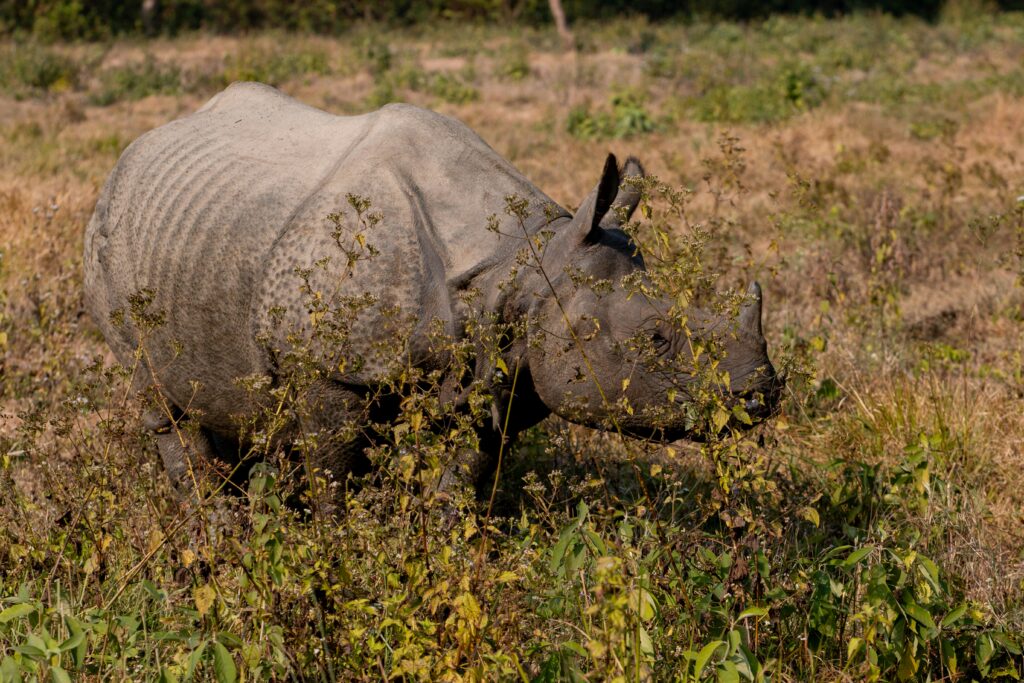
For as long as I can remember, I have loved rhinos. To me, they personify everything I value. Rhinos are calm, deeply curious, gentle, highly attuned to their environment, playful, and vocal about their feelings. Despite facing devastating threats from poaching and habitat loss (displaying significant adaptability), they remain bold, unapologetic, and connected to the world around them.
What I most appreciate is their reciprocity with the environment. Rhinos roll in mud to protect their skin from the sun, which then becomes a haven for ticks and parasites. Oxpeckers land to feed on them, cleaning wounds and keeping infection at bay. In return, the birds sound alarm calls when humans or predators approach. The rhino gets pest control and an early warning system; the bird gets a meal.