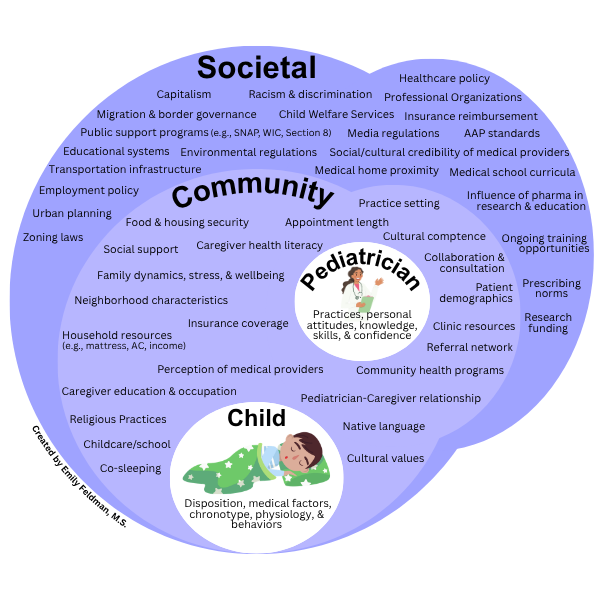
sleep emerges from interactions across individual, family, community, and system levels. an expanded model including healthcare system anchors my dissertation.
Michael Grandner, PhD (original model)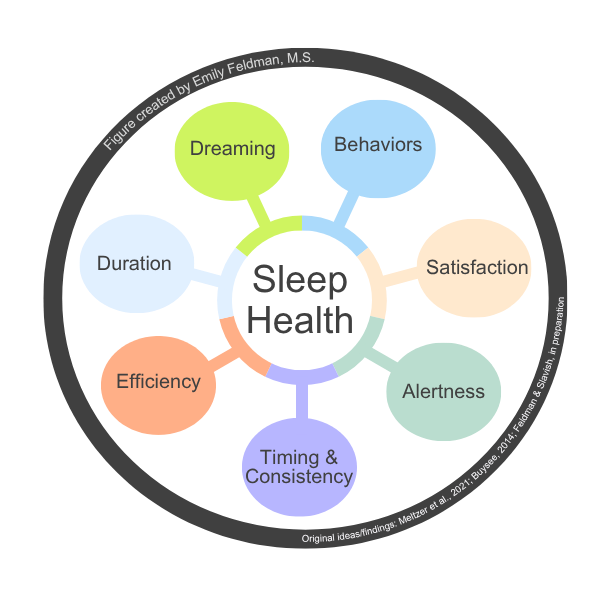
in a seminal paper, sleep health was captured through 6 domains (RU-SATED). my work seeks to validate an expansion of this framework inclusive of dream health.
RU-SATED: Daniel Buysse, M.D. Pediatric Adaptation: Dr. Meltzer & colleagues.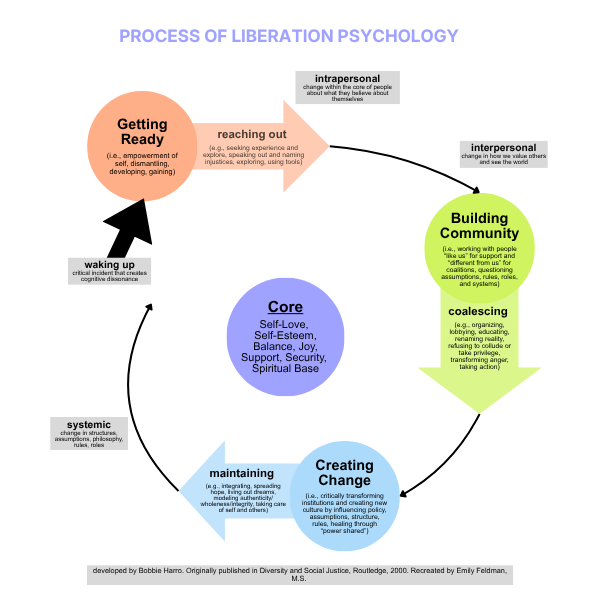
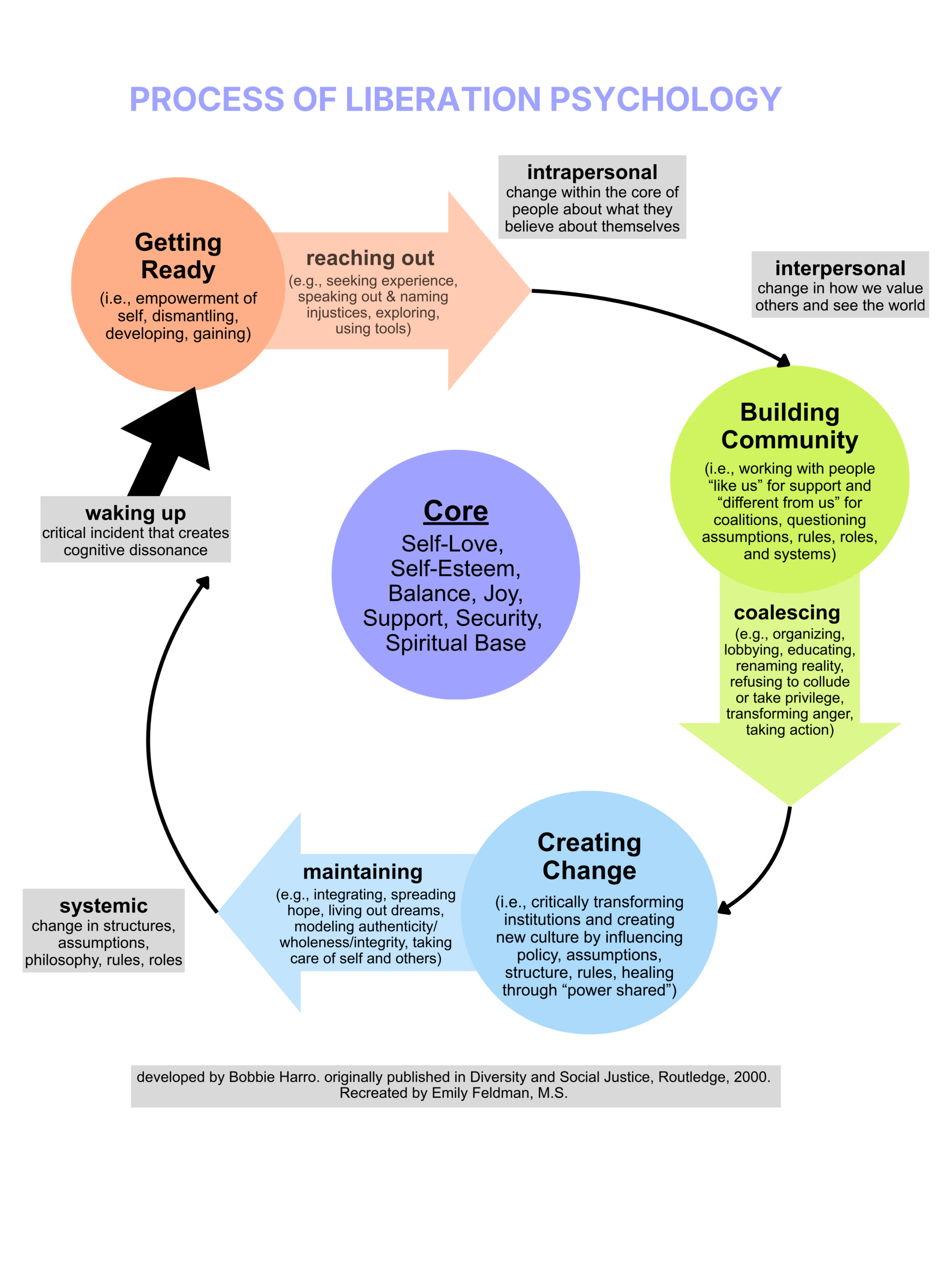
liberation and abolition psychology does not treat harm as an individual problem necessitating individual solutions. rather, it seeks to understand instead what conditions produce harm and what it would take to change them.
zoom in on the front figure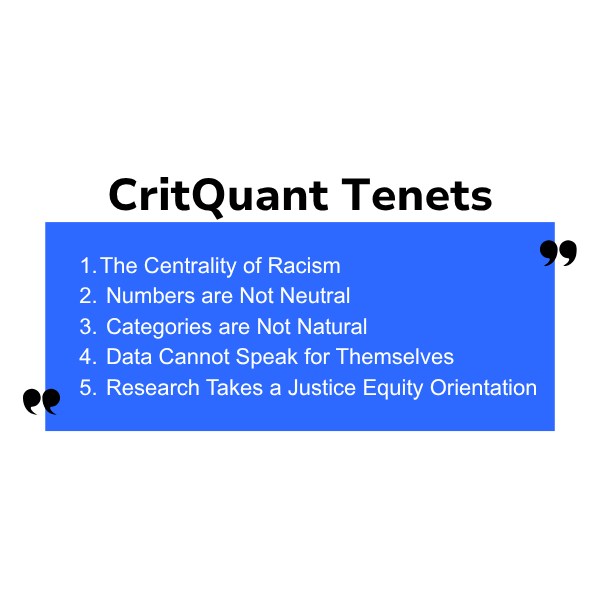
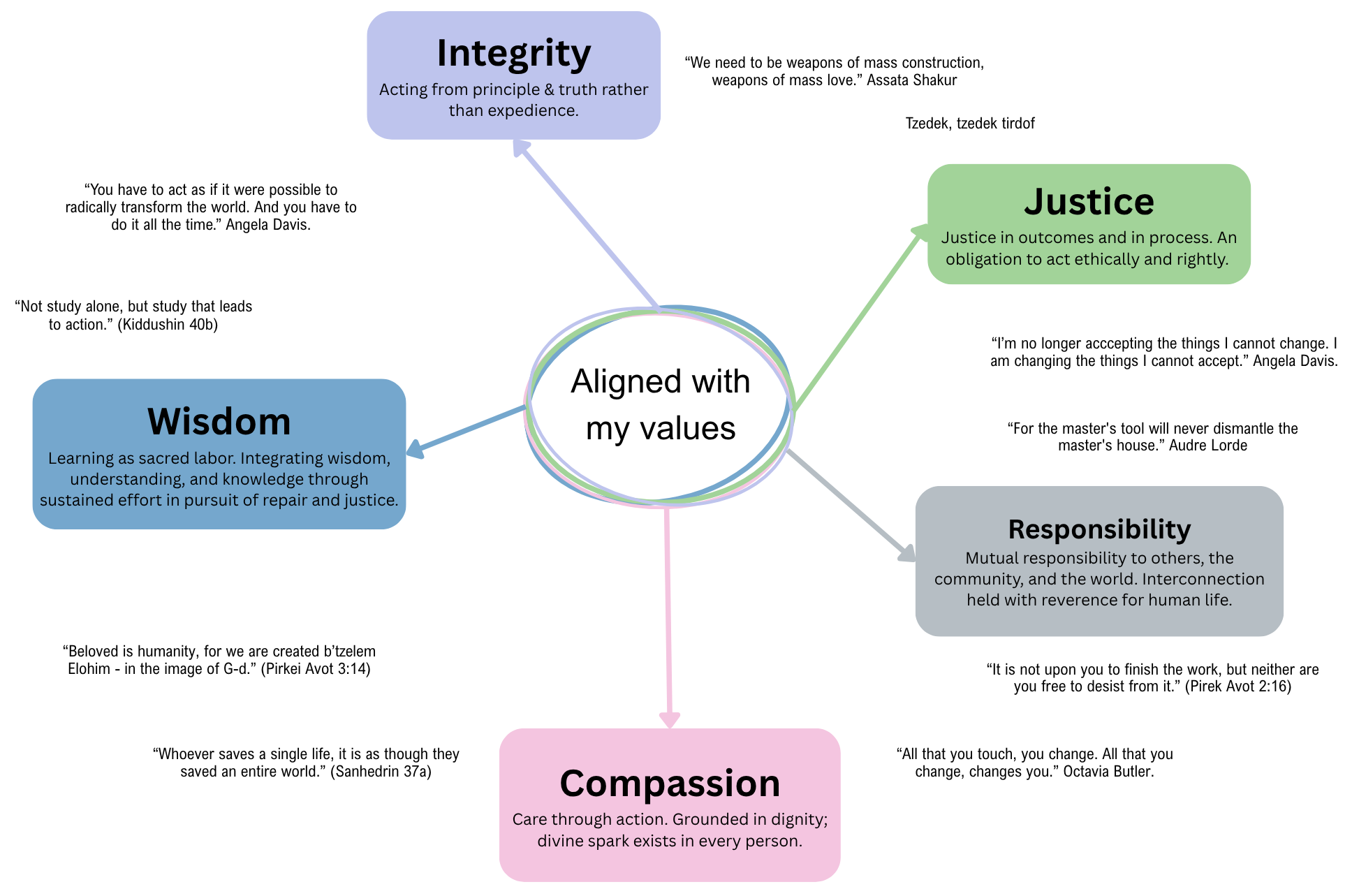
quantitative methods are not neutral. the questions we ask, the variables we include, and the populations we sample all reflect assumptions and values.
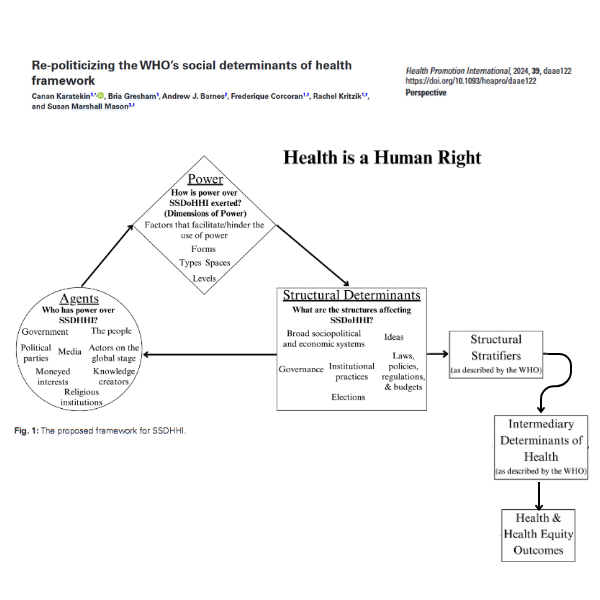
the WHO's social determinants framework has become increasingly de-politicized, drifting toward individualized explanations that obscure power. This expanded framework reinserts agents, politics, and power into the analysis.
Kratekin et al. [2024] (read article)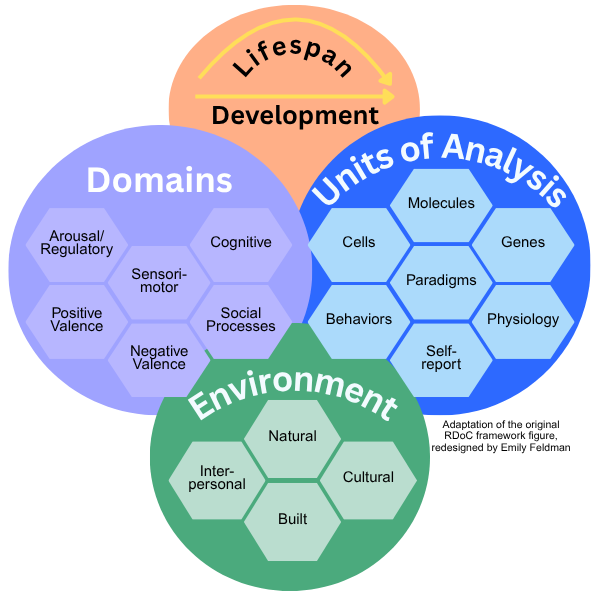
RDoC rejects diagnostic categories as the unit of analysis, instead organizing mental health research around dimensions of functioning that cut across disorders.
for more information → nih rdoc website